
If you’re suffering from chronic sinusitis and have exhausted all medical treatment options, your doctor may recommend a surgical procedure known as functional endoscopic sinus surgery (FESS). This involves using an endoscope – a tube with a tiny camera attached – to guide a surgeon in removing extraneous tissue to open up the nasal passages.
What Is Sinusitis?
Sinusitis is a common condition in which the tissues lining the sinuses become swollen and inflamed. This traps fluid inside and promotes bacterial growth, leading to an infection. Many factors can cause sinusitis, including nasal polyps, a deviated septum, respiratory tract infections, allergies, foreign objects in the nose and other medical conditions.
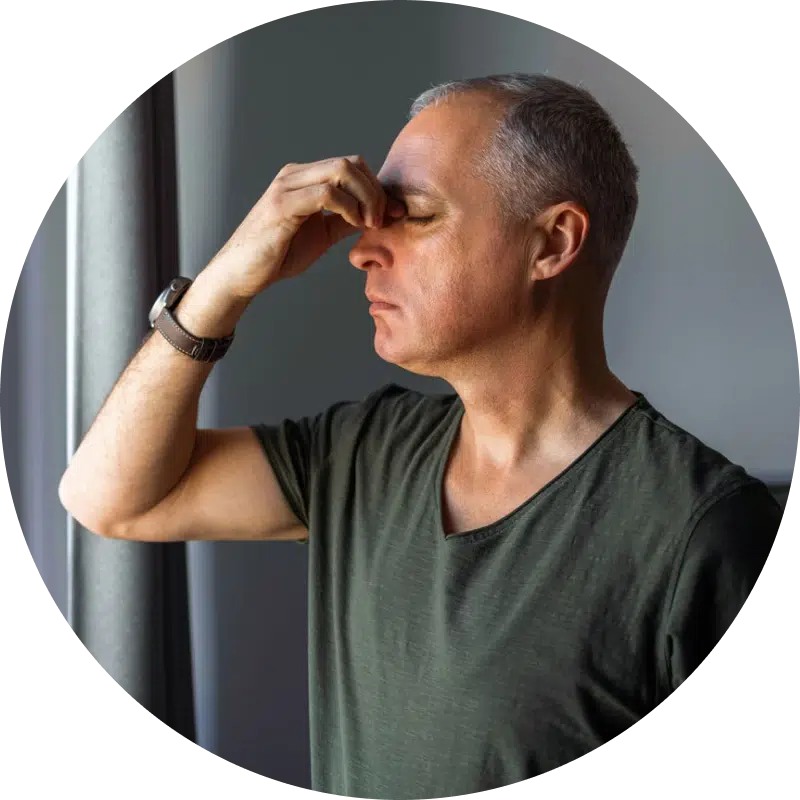
Chronic sinusitis results in a variety of cold-like conditions, including congestion, runny nose, facial pain and pressure, loss of smell, fever, fatigue and dental pain. It is considered chronic when symptoms last eight weeks or longer.
Treatment for chronic sinusitis involves medications such as decongestants, antihistamines, nasal sprays, oral steroids and antibiotics. Home remedies – using a humidifier, inhaling hot steam and applying a warm compress – often help relieve pain and discomfort. Sometimes, these treatments aren’t enough to clear up chronic infections. In those instances, your doctor might turn to surgery.

What Is FESS?
The goal of FESS is to open the sinuses, allowing normal drainage of fluids. Without proper ventilation, mucus builds up in the sinuses, leading to infection.
To determine whether you are a candidate for FESS, your doctor will thoroughly examine your ears, nose and throat, looking for obstructions and other abnormalities, such as nasal polyps. If the odds of a successful surgery look promising, an appointment will be scheduled with a surgeon at California Sinus Centers.
FESS is usually performed as an outpatient procedure under local anesthesia. An endoscope is inserted into the nose, and the camera is used to inspect the sinus openings visually. The surgeon relies on these images to remove excess obstructive tissue.
The surgery is performed through the nostrils, making it a less intrusive procedure that won’t leave scars or cause facial swelling or bruising. Post-operative care includes flushing the nasal passages to keep debris from building up. In some cases, antibiotics or steroids may be prescribed to speed recovery.
Call California Sinus Centers for more information or to schedule an appointment.